The Bottom Line: As of 2024-2025, the 6.7L Cummins Turbo Diesel produces 420 horsepower and 1,075 lb-ft of torque in its High-Output (HO) configuration, exclusively paired with the Aisin AS69RC transmission. The Standard Output (SO) variant delivers 370 hp and 850 lb-ft of torque.
Since its mid-year debut in 2007, the 6.7L Cummins has been the undisputed backbone of the Ram Heavy Duty lineup. Evolving from a 350 hp workhorse to a 1,075 lb-ft torque monster, it set the industry benchmark for diesel durability.
But factory specs only tell half the story. While modern engineering, like High-Pressure Common Rail (HPCR) systems and Compacted Graphite Iron (CGI) blocks provide a bulletproof foundation, strict emissions regulations have introduced restrictive bottlenecks (like the EGR, DPF, and CCV systems) that choke the engine's true potential. Many owners begin their research by exploring the pros and cons of EGR system modification to better understand these factory limitations.
In this ultimate guide, we will break down the exact horsepower and torque evolution by model year, explain the hidden factory flaws, and show you the exact aftermarket upgrades and tuning solutions required to unlock your truck's maximum performance and longevity.
The History and Evolution of the 6.7 Cummins Engine
The 6.7 Cummins engine was launched in 2007, replacing its predecessor, the 5.9-liter engine. Its introduction marked a significant shift in the diesel market, emphasizing durability and power for heavy-duty applications.
Over the years, the 6.7 Cummins engine has seen several enhancements. These updates focused on boosting performance and meeting stringent emissions regulations. Each model year brought improvements in horsepower, torque, and fuel efficiency. For those considering a used vehicle, evaluating performance needs for newer Ram 2500 models can help determine if the factory configuration meets your towing requirements.
Key milestones in its evolution include:
-
Introduction of variable geometry turbocharging
-
High-pressure common rail fuel system integration
-
Compliance with modern emissions standards
6.7 Cummins Horsepower and Torque Specs by Model Year
Understanding the horsepower and torque specs of the 6.7 Cummins is essential for potential buyers and enthusiasts.

These figures indicate the engine's capability and performance. Each model year offers unique specs that reflect advancements in technology and engineering.
| Year Range | Horsepower (hp) | Torque (lb-ft) | Key Transmission |
|---|---|---|---|
| 2007.5 - 2012 | 350 | 650 | 68RFE / G56 Manual |
| 2013 - 2018 | 350 - 385 | 660 - 930 | Aisin AS69RC Available |
| 2019 - Present | 370 - 420 | 850 - 1,075 | CGI Block / Aisin (HO) |
2007-2012: Early Years and Key Specs
The 6.7 Cummins debuted with a respectable 350 horsepower and approximately 650 lb-ft of torque. These specs set a solid foundation for its reputation in the diesel market.
From 2007 to 2012, Dodge Ram models equipped with the 6.7 Cummins engine showcased consistent performance:
-
Horsepower: ~350 hp
-
Torque: ~650 lb-ft
During these years, the focus was on improving power and meeting early emissions standards, paving the way for future enhancements.
2013-2018: Performance Improvements and Emissions Updates
By 2013, significant updates increased the engine's torque to around 800 lb-ft. Horsepower remained similar at 350 hp, but the engine became more efficient.
These improvements were crucial for users who valued both power and environmental responsibility. However, managing high-torque output often requires improving engine cooling efficiency to protect the rear cylinders during heavy hauling.
-
Horsepower: 350 hp
-
Torque: ~800 lb-ft
2019-Present: Modern Power and High Output Versions
From 2019 onwards, the 6.7 Cummins saw further improvements, with some models exceeding 1,000 lb-ft of torque. This era introduced high-output versions, catering to demanding users who needed maximal strength.
The modern engine versions are known for:
-
Horsepower: Up to 420 hp
-
Torque: Over 1,000 lb-ft in some models
Key Features and Engineering Highlights of the 6.7 Cummins
The 6.7L Cummins is not just a larger version of the legendary 5.9L; it is a masterclass in modern diesel engineering, balancing extreme torque with the demands of modern emissions standards. Below are the four pillars of its design.

1. High-Pressure Common Rail (HPCR) Fuel System
The HPCR system is the brain of the engine's combustion process, delivering fuel at pressures exceeding 29,000 PSI.
- The Benefit: Unlike older systems, HPCR allows for multiple injection events per cycle. This results in quieter operation, reduced emissions, and instant throttle response.
- Pro Tip: This system is intolerant to water. For a deeper look at long-term care, follow an comprehensive 6.7 Cummins maintenance schedule to avoid costly injector replacements.
2. Variable Geometry Turbocharging (VGT)
The 6.7L utilizes a Holset VGT that adapts its internal geometry to provide optimal boost at any engine speed.
- Dual Function: At low RPMs, the turbo mimics a small charger for quick spool-up. At high RPMs, it opens up to act like a large charger for maximum top-end power.
- Integrated Exhaust Brake: By closing the sliding nozzle during deceleration, the VGT creates backpressure, functioning as a powerful exhaust brake that saves your service brakes while towing heavy loads down steep grades.
3. Compacted Graphite Iron (CGI) Block and Head
Starting in 2019, the 6.7 Cummins moved to a Compacted Graphite Iron (CGI) cylinder block, a significant upgrade over traditional grey cast iron.
- Strength-to-Weight: CGI is much stronger and stiffer than standard iron, allowing the engine to handle the massive cylinder pressures required to produce 1,075 lb-ft of torque while actually reducing the engine's overall weight by about 60 lbs.
- Longevity: This material minimizes block distortion, leading to better ring sealing and a longer service life for internal components.
4. Diesel Particulate Filter (DPF) & Regeneration Science
To comply with EPA regulations, the 6.7 Cummins uses a DPF to capture 90% of exhaust soot before it leaves the tailpipe.
- The "Regen" Cycle: When the filter reaches capacity, the engine performs a "Active Regeneration" by injecting fuel into the exhaust stroke to incinerate the soot into ash at temperatures exceeding 1,100°F.
- Owner Safety: Avoiding "Limp Mode" requires regular highway driving. For those experiencing frequent filter issues, analyzing the impact of soot filtration on reliability can provide clarity on why these systems sometimes fail.
Expert Verdict: These innovations ensure the 6.7 Cummins delivers top-tier performance while remaining compliant. For the owner, this means a truck that is as capable of exhaust-braking a 30,000-lb trailer as it is of passing a smog check.
Diesel Horsepower Ratings: What They Mean for Truck Owners
Understanding diesel horsepower ratings is crucial for truck owners. These ratings directly influence your vehicle's capability and performance. They determine how much power the engine can produce and deliver to the wheels.
Horsepower is a measure of the engine’s work capacity over time. In simple terms, it represents the engine’s ability to perform tasks efficiently. For truck owners, higher horsepower often means better towing and hauling capabilities.
Here are some factors diesel horsepower ratings affect:
-
Towing capacity
-
Acceleration and speed
-
Fuel efficiency
Common Applications: Towing, Hauling, and Beyond
The 6.7 Cummins engine excels in various applications due to its strong performance characteristics. It is particularly favored for towing and hauling, where its substantial torque provides a significant advantage. This capability makes it a preferred choice for heavy-duty tasks.
Beyond traditional uses, the engine also finds its place in recreational and off-road vehicles. This versatility arises from the engine's robust design and reliable power delivery. Here are some common applications:
-
Heavy-duty towing
-
Off-road adventures
-
Commercial hauling
The 6.7 Cummins Factory Bottlenecks: Emissions Systems Explained
While the core of the 6.7 Cummins is incredibly robust, modern emissions regulations introduced components that often become points of failure or performance bottlenecks for truck owners:
- EGR (Exhaust Gas Recirculation): Routes hot, sooty exhaust back into the intake. Over time, this creates thick carbon buildup that chokes airflow and can cause the VGT vanes to stick.
- DPF (Diesel Particulate Filter): Captures exhaust soot. If the truck isn't driven hard on the highway often enough, the DPF clogs, forcing the truck into a restrictive "Limp Mode."
- CCV (Crankcase Ventilation): Routes oily crankcase mist straight into the turbocharger inlet, which eventually coats the intercooler boots and reduces cooling efficiency. Many owners mitigate this by understanding why clean crankcase ventilation is vital for turbocharger longevity.
Aftermarket Upgrades and Tuning Potential
Because the 6.7 Cummins is overbuilt from the factory, it offers massive tuning potential. By addressing the airflow bottlenecks mentioned above, owners can unlock significant horsepower, lower Exhaust Gas Temperatures (EGTs), and improve fuel economy.
Here is how enthusiasts typically approach upgrading their 6.7 Cummins:
1. Engine Management & Tuning
The foundation of any build is a good recalibration. Using a dedicated truck tuner allows you to optimize fuel mapping, timing, and transmission shifts. For a complete overhaul, many owners opt for 6.7 Cummins all-in-one delete kits that pair the tuning software with the necessary hardware upgrades to ensure everything works in harmony.
2. Airflow & Exhaust Flow Optimization
To reduce backpressure and let the turbo spool freely, addressing the exhaust path is critical. Upgrading the factory piping with a high-flow downpipe and up-pipe greatly improves turbo response. For competition or off-road rigs, installing a DPF delete pipe and a muffler delete pipe(4" or 5") provides the maximum exhaust flow needed to drop EGTs under heavy loads.
3. Reliability & Engine Longevity Mods
To stop the cycle of soot and oil ingestion, you have to bypass the factory bottlenecks. Installing a 6.7 Cummins EGR Delete prevents carbon from choking the intake, while a CCV reroute ensures only clean air reaches your turbo compressor. Finally, if you are modifying your exhaust manifolds or pipes, an EGT Relocation Kit for 6.7 Cummins is essential to ensure your sensors continue reading accurate temperatures.
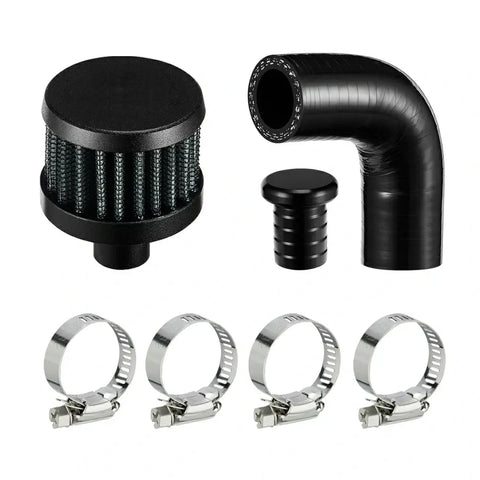
Stop oily crankcase vapors from coating your turbo compressor wheel and intercooler. As highlighted in our factory bottlenecks guide, this reroute kit ensures your engine breathes only clean air, maximizing cooling efficiency and turbo longevity.
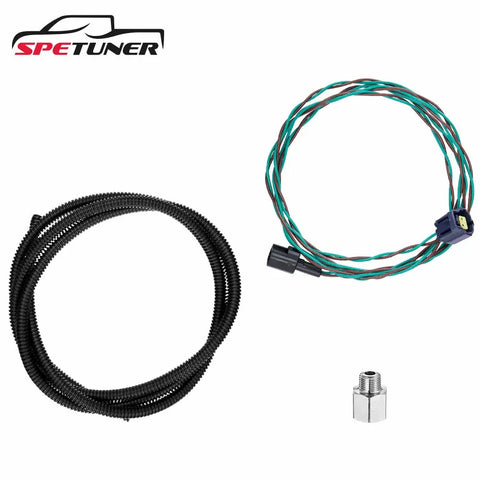
Essential for modified exhaust systems. If you are upgrading your exhaust flow or manifolds to lower temperatures, this relocation kit ensures your sensors continue to read accurate Exhaust Gas Temperatures (EGTs) to keep your engine running safely under heavy loads.
Maintenance Tips for Peak Performance
To keep your Cummins running strong, stick to a rigorous maintenance schedule:
- Fuel Filtration: Change your fuel filters every 15,000 miles. The HPCR system is highly sensitive to water and debris.
- Air Intake: Regularly inspect your air filter and turbo inlet for oil residue (unless you've already rerouted the CCV).
- Monitor Temperatures: Keep a close eye on your EGTs and coolant temps, especially when hauling heavy loads uphill.
Conclusion
The 6.7 Cummins remains a top choice for its unmatched torque and incredible durability. While the factory emissions systems present challenges, the engine's engineering continues to set the standard for diesel excellence. Whether you are hauling for work or building a dedicated performance rig, understanding its specs and limitations is the key to maximizing its lifespan.
Looking to elevate your build? Visit SPEtuner to explore professional-grade performance components designed specifically for your Cummins.
Frequently Asked Questions
People often have common questions about the 6.7 Cummins engine specifications. Understanding these can help make informed decisions about purchasing and maintaining a vehicle with this engine. Here are answers to some frequently asked questions.
Q1: How much horsepower does the 6.7 Cummins produce?
A1: The horsepower output of the 6.7 Cummins ranges from 350 hp to 420 hp, depending on the model year and configuration. Early models (2007.5-2012) started at 350 hp, while the modern High-Output (HO) versions available today deliver an impressive 420 hp directly from the factory.
Q2: What are the torque specs for recent models?
A2: For recent models (2019 to present), the Standard Output (SO) 6.7 Cummins produces 850 lb-ft of torque. However, if you opt for the High-Output (HO) variant paired with the heavy-duty Aisin transmission, the engine generates a massive 1,075 lb-ft of torque, making it one of the most capable engines for heavy towing.
Q3: Are there differences in specs between model years?
A3: Yes, the engine has seen significant evolutionary changes. While early years (2007.5-2012) were rated at 650 lb-ft of torque, Cummins steadily increased output over the following decade to meet growing towing demands. Notably, in 2019, the engine received a stronger Compacted Graphite Iron (CGI) block and upgraded internals to safely handle torque numbers exceeding 1,000 lb-ft.
Q4: What upgrades can improve performance?
A4: The most effective way to improve performance is by eliminating factory airflow restrictions. Recalibrating your 6.6 Cummins engine with a dedicated truck tuner, paired with high-flow exhaust components like a downpipe or 6.7 Cummins DPF delete pipe (for off-road/competition use), can safely add 60-150 horsepower. Additionally, installing an EGR delete prevents carbon buildup from choking the intake, which significantly improves throttle response and lowers Exhaust Gas Temperatures (EGTs).
Q5: How can I ensure optimal maintenance?
A5: Strict adherence to filter intervals is critical. You should change your fuel filters every 15,000 miles to protect the sensitive high-pressure fuel system. Furthermore, installing a 6.7 Cummins CCV reroute kit is a highly recommended preventative maintenance step; it stops oily crankcase vapors from coating your turbo compressor wheel and intercooler, ensuring your engine breathes clean air for its entire lifespan.

Lars
Diesel Performance Engineer | 15+ Years EXPERIENCE
"Empower Your Beast: Run Cooler, Pull Harder, Last Longer."